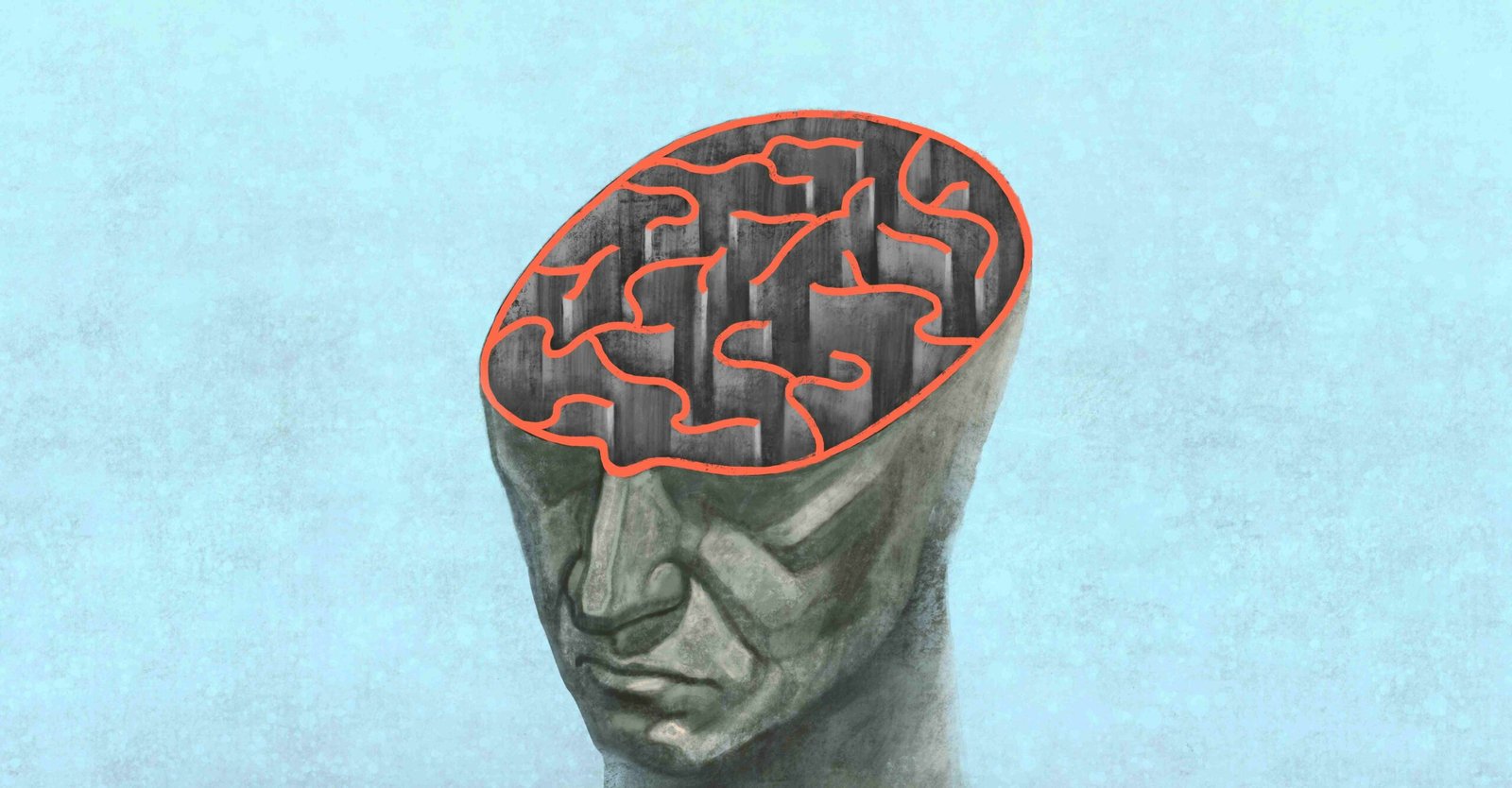
How does the brain change after a concussion, during a stroke or when dementia sets in? What happens in the brain when someone has Attention Deficit Hyperactivity Disorder (ADHD), a learning disorder or early-stage Alzheimer’s disease? Neuropsychology seeks to answer these kinds of questions by studying how brain changes affect behaviour over our lifespan.
More specifically, neuropsychology studies the connection between the brain and behaviour [1]. It focuses on understanding normal functioning as well as the impact of brain damage, which includes repercussions such as short-term memory loss, difficulties with attention or speech, or even the inability to recognise familiar faces [1, 2]. Neuropsychology integrates both psychology and neuroscience and is predominantly established in healthcare, although it is also relevant in education and legal settings.
The History Of Neuropsychology
The human instinct to explore the connection between the mind and behaviour can be traced back to ancient Greece and the Roman Empire. However, neuropsychology only became an independent scientific field relatively recently, during the second half of the 19th century [3].
One of the most crucial early contributors to the scientific field was Paul Broca, a French physician who studied a patient whose only impediment was that he could only communicate the word “tan”. In a post-mortem investigation, Broca found damage in a small region of the left side of the brain (or hemisphere) and concluded that this area was responsible for speech; it is still known as “Broca’s area” to this day [3, 4]. His work helped establish that language is localised in the left hemisphere, which was a major advancement in understanding the connection between the brain and behaviour.
Possibly the most well known case is Phineas Gage, an American railroad worker who survived an 1848 accident when an iron rod pierced his prefrontal cortex (PFC)—the very front of the human brain [4]. While he physically recovered, his personality radically changed: he became impulsive, aggressive and unreliable. We now know that his personality change was due to his damaged PFC, as this region is specifically involved in self-control, decision-making, planning and social behaviour [3]. His case was key in demonstrating that specific brain areas are linked to complex aspects of personality and behaviour.
Later, both World Wars significantly accelerated the growth of neuropsychology, as physicians faced a rapid increase in soldiers suffering from brain injuries [5]. This encouraged advances in cognitive testing and renewed interest in how brain damage affects our behaviour. Russian neuropsychologist Alexander Luria was influential in shaping the field by combining theory with the observation of patients to link specific brain areas to cognitive functions [5]. By the mid-20th century, neuropsychology had emerged as a recognised specialty, supported by the development of rigorous collections of assessments (test batteries) and dedicated scientific journals [3, 5]. The development of neuroimaging technologies further revolutionised the field, allowing researchers and clinicians to observe the structure and activity of the living brain, and strengthening the connection between brain science and real-world behaviour.
Neuropsychology Topics
Cognitive domains that are key in both research and neuropsychological testing include:
- Memory, attention, language, perception (visual, auditory and/or sensory), visuospatial coordination and executive function.
Common areas of focus in neuropsychological studies include:
- Traumatic brain injuries, dementia, neurodegenerative diseases (such as Alzheimer’s disease or Parkinson’s disease), strokes, epilepsy, autism spectrum disorder, ADHD and other related conditions.
- Behavioural symptoms and their possible origin in the brain.
- Developmental versus acquired conditions.
Neuropsychology Tests
Neuropsychological assessments are used to better understand how a person’s brain is functioning. Patients are often referred by other doctors after noticeable changes in behaviour or thinking, which may follow a diagnosis such as dementia or Alzheimer’s disease or a traumatic brain injury (TBI), such as after a stroke or fall [2, 6]. Neuropsychological testing is typically either diagnostic or descriptive [6]. Diagnostic testing is used to identify which condition or pathology the patient is affected by, and it can also be tailored to differentiate between possible diagnoses. Descriptive testing aims to measure a patient’s strengths and weaknesses across different cognitive functions, and can then be used to monitor changes over time.
Neuropsychological tests vary in complexity, duration and the specific cognitive domains they assess. One very common example is the Mini-Mental State Examination, a short test of 11 questions that quickly checks for overall cognitive issues. It takes about 5–10 minutes to complete, and a score above 24 out of 30 generally indicates normal cognitive functioning [6]. While easy to administer, it provides only a brief overview and should be supplemented with more detailed tests [4, 6].
Another established, yet more precise test is the Stroop Word-Colour Interference test. It is used to assess different types of attention and particularly inhibitory control—the ability to suppress automatic responses [6]. During the test, patients are asked to name the colour of the ink used to print a word, rather than reading the word itself. For example, if the word “blue” is written in red ink, the patient should say “red”, not “blue”. The test helps assess how well a person can focus on relevant information while ignoring distractions.
Tests such as these also support rehabilitation by guiding treatment plans and tracking recovery. When supplemented by brain imaging techniques, they help clinicians map how the patient’s brain currently functions, informing diagnoses as well as treatment interventions.
How To Become A Neuropsychologist?
The first requirement to become a neuropsychologist is to complete university studies in psychology, followed by postgraduate studies such as a master’s degree to specialise in neuropsychology. Educational requirements vary by county. In some cases, a PhD is required; however, a master’s degree is usually sufficient to start practising in the field. During postgraduate studies, it is also highly recommended to complete internships, usually as part of the university programme; these provide clinical training under supervision, help students learn practical aspects such as patient interaction or the administration of tests, and count as a first experience when looking for a practising position after graduation.
What Does A Neuropsychologist Do?
A clinical neuropsychologist, who works directly with patients, has roles that can include:
- Conducting detailed neuropsychological evaluations to create a cognitive profile of the patient.
- Collaborating with other healthcare professionals, such as neurologists, psychiatrists, therapists—usually in hospital settings—to diagnose patients and plan interventions or treatments.
- Working with children who have learning, visual and/or auditory difficulties, providing school-based assessments and guidance for both children and parents following a diagnosis.
- Guiding rehabilitation for patients who have suffered a TBI, stroke, brain tumours and other neurological conditions.
A research neuropsychologist has roles that can include:
- Designing and conducting studies involving human participants in laboratory settings to explore brain-behaviour relationships.
- Designing and validating neuropsychological tests.
- Teaching and mentoring students, typically within universities, cognitive laboratories or interdisciplinary teams.
Conclusion
Neuropsychology has been fundamental in helping us understand how aspects of the brain’s workings are tied to cognitive functions such as memory, attention or language, which shape our behaviour and personality. Through advancements in research methods and particularly neuroimaging techniques, neuropsychology continues to be vital for diagnosing a wide variety of disorders, conditions or diseases, mapping their intricacies, and supporting rehabilitation. In sum, insights from neuropsychology are key to bridging the gap between brain function and human behaviour.